You’re not alone. In today’s fast-moving digital world, short forms and slang dominate conversations on platforms like WhatsApp, Snapchat, and Instagram.
“FS” is one of those abbreviations that can carry different meanings depending on the context, which makes it even more confusing and interesting.
For example, it can mean “For Sure” when someone agrees with you, or “For Sale” when used in online marketplaces. Simple, right? Well, not always. The meaning shifts based on how and where it’s used, and that’s where things get tricky.
What Does FS Stand For in Text?
FS is a versatile acronym, and its meaning depends on the conversation, tone, and platform. The three most common interpretations are:
- FS = For Sure ✅ (Most common)
- FS = Full Stop ⬛ (Less common)
- FS = Financial Support 💰 (Context-specific)
| FS Meaning | Description | Example | Tone |
| For Sure | Expresses agreement or confirmation | “You’re coming tonight? FS!” | Positive, confident, friendly |
| Full Stop | Emphasizes a final statement | “That’s it, FS.” | Emphatic, serious |
| Financial Support | Refers to monetary help | “He offered FS for my project.” | Context-specific, neutral |
The flexibility of FS is what makes it so widely used in digital conversations.
Origins of FS in Texting
The abbreviation FS likely started in SMS culture as a quick way to say “For Sure”. Early texting required brevity due to character limits, and short forms like FS, SMH, and fr became popular. Over time, social media platforms like Twitter, TikTok, and Discord helped spread FS globally.
Interestingly, FS also adapted in professional contexts occasionally, like in informal Slack or team chats—but it’s rarely used in formal emails or corporate documents. Its evolution shows how texting culture favors speed, clarity, and emotional tone.
How FS Is Used in Everyday Text Conversations
FS is highly context-dependent. Here’s a breakdown of where you’ll most likely encounter it:
Casual Chats
Among friends, FS often signals agreement or confirmation. It’s the digital equivalent of saying, “Absolutely” or “No doubt.”
Examples:
- “You got my back for the game? FS.”
- “FS, I got you 👍.”
- “We’re meeting at 7? FS, see you there!”
Friendly Reassurance
FS can be used to comfort someone or show support. Its positive emotional tone makes the conversation warmer.
Example:
- “Don’t worry about the presentation, FS you’ll crush it!”
Social Media Comments
On platforms like Instagram, TikTok, and Twitter, FS is often used in the comments to express agreement, hype, or validation. Pairing FS with emojis strengthens its emotional tone.
Examples:
- “That’s fire FS 🔥🔥”
- “FS, couldn’t agree more 😎”
FS Meaning in Selling
In selling, “FS” is commonly used as a short form for “For Sale.”
It is used in ads, marketplaces, and product listings to show availability.
Sellers use it to quickly indicate that an item is ready to be purchased.
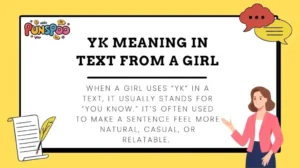
FS Meaning in Text From a Girl
When a girl uses “FS” in text, it usually means “For Sure.”
It shows agreement, confidence, or strong confirmation in a casual way.
The tone depends on context, but it is mostly positive and supportive.
FS Meaning in Snapchat
On Snapchat, “FS” is mostly used as “For Sure.”
It is often added in chats or replies to agree with something quickly.
Sometimes it can also mean strong confirmation in casual conversations.
FS Meaning in Text From a Guy
When a guy uses “FS” in messages, it typically means “For Sure.”
It is used to confirm plans, agree, or show certainty.
The meaning stays casual and depends on the flow of the chat.
FS Meaning in Social Media
On social media platforms, “FS” is widely used as “For Sure.”
It helps users respond quickly without typing full sentences.
It is common in comments, captions, and short replies.
FS Meaning in Relationship
In relationship conversations, “FS” usually means “For Sure.”
It can show agreement, trust, or emotional certainty toward a partner.
The tone is often supportive and reassuring in romantic chats.
Emotional Tone and Connotation of FS
The sentiment or emotional tone of FS is mostly positive, conveying confidence, trust, or friendliness. It can also be emphatic when used as “Full Stop,” signaling finality.
| FS Tone | Capitalization | Usage Example |
| Positive / Friendly | fs | “fs, I’ll be there.” |
| Confident / Emphatic | FS | “This is it, FS.” |
| Neutral / Contextual | FS | “He offered FS for support.” |
Using emojis like 👍, 💯, or 🔥 can further enhance FS emotional tone, making digital conversations more expressive.
FS vs Similar Text Slang
FS shares semantic overlap with several other text abbreviations. Understanding the differences helps prevent miscommunication:
| Slang | Meaning | Difference from FS |
| FR | For Real | More about authenticity than agreement |
| IKR | I Know, Right | Expresses mutual understanding, often rhetorical |
| Bet | Agreement / Challenge | Can indicate confidence, like FS, but more casual and playful |
For instance, “fs” is often more reassuring, while “bet” can be playful or competitive. Recognizing these nuances is key for intent detection.
When You Should Use FS (And When You Shouldn’t)
Good Situations for FS
- Confirming plans or agreements: “We’re meeting at 8? FS.”
- Showing reassurance or support: “FS, you got this.”
- Social media engagement: “FS, that outfit is 🔥.”
Situations to Avoid FS
- Formal emails: Using FS in professional reports may seem unprofessional.
- Sensitive topics: Misinterpreted as dismissive or abrupt.
Common Misunderstandings About FS
Despite its popularity, FS can be confusing:
- FS = Full Stop vs FS = For Sure: One signals finality; the other agreement. Context is everything.
- International usage: Not everyone interprets FS as “For Sure.” Misunderstandings can occur in multilingual chats.
- Tone misreading: FS without emojis can seem curt or indifferent.
FS in Group Chats vs One-on-One Texts
The pragmatics of FS changes with audience:
- Group chats: FS can signal consensus or alignment. Example: “FS, let’s do it!”
- One-on-one: FS often conveys personal reassurance. Example: “FS, I’m here if you need me.”
Emoji usage also differs: in groups, simple 👍 is sufficient, while in one-on-one texts, more expressive emojis (😎, 💯) strengthen the tone.
Is FS Still Popular in 2026?
Yes, FS remains widely used across digital platforms. Recent trends show:
- High frequency in casual texting among Gen Z and Millennials.
- Consistent usage on TikTok, Instagram, WhatsApp, and Discord.
- Adaptation with emojis, making it more expressive.
| Platform | FS Usage Trend 2026 | Notes |
| High | Everyday casual chats | |
| TikTok | Moderate | Comments, short replies |
| Discord | High | Gaming communities, group chats |
| Moderate | Comments & DMs |
Using FS Naturally: Pro Tips
- Pair FS with emojis to match the emotional tone: “FS 👍” or “FS 🔥.”
- Avoid overusing FS to prevent it from sounding robotic or insincere.
- Match FS meaning with context: confirmation vs emphatic closure.
- Use in digital conversations where brevity and clarity matter.
Collocation examples:
- “fs, what time?”
- “fs I got you”
- “FS 👍”
These combinations make your texting style feel natural and confident.
FAQs About FS Meaning in Text
Does FS always mean “For Sure”?
Mostly, yes. Context can shift meaning to Full Stop or Financial Support.
Is FS rude or offensive?
No, FS is generally friendly and positive. Tone and context matter.
Can FS be used professionally?
Rarely. Stick to casual or informal digital conversations.
Is FS used worldwide?
FS is primarily English-speaking, and usage may vary in other languages.
Is FS the same as “fr”?
Not exactly. FS confirms agreement; fr emphasizes truthfulness.
How do I know which meaning of FS applies?
Look at context, tone, and surrounding words. Emojis often clarify meaning.
Final Thoughts
FS meaning in text has evolved from a simple shorthand for “For Sure” into a versatile abbreviation that conveys confidence, agreement, and reassurance in digital conversations. Whether you’re texting friends, posting on social media, or joining a group chat, FS adds clarity and emotion when used correctly.
By understanding its context, emotional tone, and usage rules, you can text naturally, confidently, and in style. In 2026, FS remains a short, efficient, and widely recognized digital abbreviation, bridging the gap between casual expression and modern internet slang. Remember: context is king. Use FS with care, pair it with emojis when appropriate, and enjoy how this tiny abbreviation can enhance your digital conversations.
Also Read More Articles
ONB Meaning in Text Slang Definition You Should Know 2026
DM Meaning in Text Simple Definition in Social Media 2026
WDYM Meaning in Text Complete Guide for Beginners 2026
BRB Meaning in Text: Social Media, Snapchat & WhatsApp Guide 2026